
What is History?
History is a discipline of enquiry and analysis that studies the human past to understand how the world we live in today was formed. Rather than memorising hard facts and dates, history education focuses on the active construction of knowledge through examining, interpreting, and evaluating historical evidence and primary sources. By exploring multiple perspectives, history bridges the gap between historical actions and modern outcomes, helping individuals make sense of current global issues, human behaviors, and societal developments.
CURRICULUM AIMS
The aims of the History curriculum are to enable students to:
Develop Interest: Build an enduring interest in studying the past and appreciating human achievements.
Understand the Present: Uncover the roots of contemporary cultures, conflicts, and systems to understand the modern world.
Local & National Literacy: Enrich knowledge of their own community and culture, emphasizing the historical development of Hong Kong and its connection to national context.
Historical Inquiry Skills: Master source evaluation, critical thinking, perspective-taking, and empathetic understanding for academic growth and everyday life.
Global & Civic Awareness: Nurture an open-minded attitude to become responsible citizens with international awareness.
COURSE STRUCTURE
The curriculum balances a systematic chronological approach to world history at the junior secondary level with specialized thematic analytical studies at the senior secondary level.
Junior Secondary (Secondary 1 - Secondary 3)
Level & Theme
Core Study Topics
Secondary 1
The Ancient World (Pre-historic to 14th Century)
Topic 1: Human Needs: Past and Present (Early Civilizations)
Topic 2: The Development of European Civilisation (Greco-Roman Period)
Secondary 2
The Transition into the Modern World (15th to 19th Century)
Topic 4: Dawn of a New Era (Renaissance and Reformation)
Topic 5: Age of Revolution (Enlightenment, French Revolution)
Topic 6: Industrialization and Rise of European Powers
Topic 7: Growth and Development of Hong Kong up to the Late 19th Century
Secondary 3
The Contemporary World (20th Century to Present)
Topic 8: International Conflicts & Cooperation
Topic 9: The Cold War and Post-Cold War World System
Topic 10: Modernisation and Transformation of Hong Kong and China in the 20th Century
Senior Secondary (Secondary 4 - Secondary 6)
Focuses on the making of the contemporary world, driven by thematic enquiry across two major blocks:
Level & Theme
Core Study Topics
Secondary 4
Theme B: Theme B: Conflicts and Cooperation in the 20th-Century World
1. Major Conflicts and the Quest for Peace (WWI, WWII, Cold War)
2. The Quest for Cooperation and Integration (United Nations, European Integration)
Secondary 5
Theme A: Modernisation and Transformation in 20th-Century Asia
1. Modernisation and Transformation of Hong Kong
2. Modernisation and Transformation of China
3. Modernisation and Transformation of Japan and Southeast Asia
Secondary 6
Consolidation & Examination Preparation
1. Revision of Themes A & B
2. Advanced Data-Based Question (DBQ) and Essay Skills Training
OTHER LEARNING EXPERIENCES (OLE)
Students engage in dynamic, life-wide learning experiences outside the traditional classroom to develop historical empathy and real-world skills:
History e-Reading Award Scheme: Organised in collaboration with the EDB to build extensive reading habits and self-directed literacy;
Museum Visits: Visits to local cultural institutions, including the Hong Kong Museum of Coastal Defence and the War of Resistance, to understand local and national history.
WHY STUDY HISTORY?
Studying history equips students with critical thinking skills to separate bias from objective facts, accurately assess media interpretations, and draw reasoned conclusions based on primary evidence. It fosters global perspectives, deepens local identity, and prepares students to become informed, responsible global citizens.
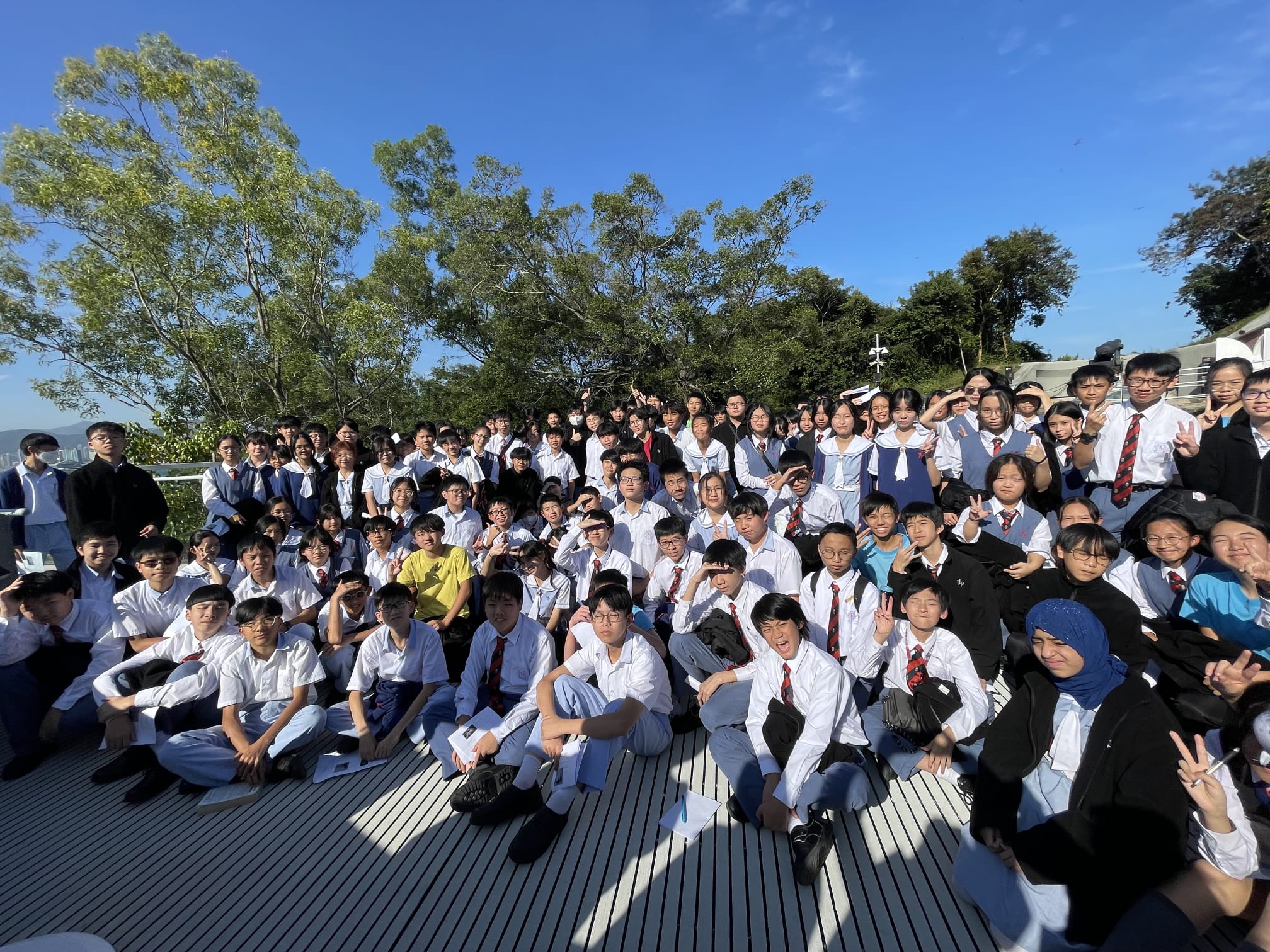
Hong Kong Museum of The War of Resistance and Coastal Defence Visit